Breathwork has moved from the margins to the mainstream in Canada over the past decade. Clinics, retreat centers, and private practitioners now mention breathwork alongside mindfulness and somatic therapies. At the same time, the demand for flexible, well vetted training has surged. People want credible breathwork certification in Canada without uprooting their lives, and clinicians want to integrate respiratory techniques into psychotherapy, coaching, and integrative health. The question that keeps coming up is simple and complicated at once: can you complete holotropic breathwork training online, and will it be recognized in Canada?
I have trained facilitators across provinces, from Nunavut to Nova Scotia, and worked alongside clinicians who supervise breathwork in hospital-affiliated programs. What follows is not marketing copy. It is the field as it exists in practice: where legitimate accreditation sits, what “online” truly means, and how to navigate trade-offs between flexibility and depth.
What “holotropic” actually means in training
Holotropic Breathwork is not a generic label. It refers to the specific method developed by Stanislav and Christina Grof, from music set to facilitation style to focused bodywork. In Canada and globally, the recognized paths to becoming a facilitator in the Grof lineage are administered by organizations that hold the trademark or work directly in the Grof tradition. The Grof community has evolved in recent years, with Grof Transpersonal Training and Grof Legacy Training offering tracks in different regions.
This matters because a program that calls itself “holotropic” but offers only self-paced videos and a weekend Zoom practicum is not equivalent to the Grof standard. In every trusted path I have seen, in-person components are mandatory for certification. You can study theory online, you can attend some seminars remotely, and you can complete integration hours over video, but the breathwork intensives that qualify you to hold space typically require on-site attendance. That is not a bureaucratic hurdle. It is about risk, safety, and the craft of facilitation.
If your situation or geography makes travel difficult, do not lose heart. Many Canadian candidates complete much of their coursework online and then cluster their in-person modules into one or two trips per year, sometimes crossing provinces or heading to the closest U.S. Module. There are also non-holotropic, trauma-informed breathwork facilitator training options in Canada that are fully online and insured under complementary health frameworks. They are not “Holotropic Breathwork” in the strict sense, but they can be reputable and effective depending on your goals.
The Canadian landscape: regulation, recognition, and reality
Canada does not have a single federal body that accredits breathwork training. Regulation is patchwork. Some provinces regulate psychotherapy titles, some regulate massage, others reserve acupuncture. Breathwork itself commonly falls under complementary or alternative health. For many practitioners, legitimacy comes from a combination of:
- The lineage or school reputation, especially if tied to Grof methods for holotropic work, or to established integrative or somatic schools for conscious connected breathing. Liability insurance that lists breathwork as a covered modality and names the certifying program. Professional memberships where continuing education hours are recognized, for example by associations in counselling, coaching, yoga therapy, or natural health. Each association evaluates programs individually, and acceptance varies across provinces. Supervision and scope-of-practice clarity, particularly for mental health professionals who integrate breathwork into psychotherapy.
This framework is practical. If you plan to practice in Alberta or Ontario, or offer sessions in a clinic in Halifax, what matters is whether your training and insurance align with your scope, whether your city’s clients trust your credential, and whether your methods meet the standard of care.
How “online” fits into holotropic and adjacent breathwork paths
When people search for breathwork training Canada or breathwork certification Canada, they often want asynchronous study and weekend intensives they can do from a laptop. Programs now offer hybrid designs that keep quality high while meeting that need. Here is how it tends to break down in the holotropic space and its neighbors.
For holotropic breathwork training connected to the Grof lineage, expect a hybrid model. Lectures, history of transpersonal psychology, and preparation can be completed online. Supervision and integration groups can also be virtual. The full breathing sessions with dyads, sitter training, and bodywork are almost always in person. Facilitator candidates typically log multiple sit and breathe experiences under supervision, plus ethics seminars, before they are cleared to hold groups. In normal timelines, people spread this over 12 to 30 months.
For non-holotropic conscious connected breathwork, which includes trauma-informed and somatic styles, you will find more fully online programs. Some are excellent, with live cohorts, small group practicums on Zoom, and mentoring by experienced faculty. These schools train facilitators to screen clients, scaffold sessions safely, and operate one-to-one and small groups online and in studios. The best of these programs are clear that they teach the holotropic breathing technique’s cousins, not the Grof method itself.
Clinical integration is a third track. Psychologists, social workers, and psychotherapists in Canada sometimes add breathwork through continuing education rather than a full facilitator program. They seek targeted modules on respiratory physiology, autonomic regulation, and trauma-sensitive pacing to sit alongside core therapy skills. This is common among clinicians who also pursue psychedelic therapy training Canada pathways. Breathwork becomes a tool for preparation and integration, not a standalone brand.
Safety, scope, and the non-negotiables
I have seen brilliant sessions move a client from shutdown to a settled state with tears and relief. I have also stopped a session when someone’s blood pressure surged and their vision blurred. Competent training drills the same fundamentals, whether in a church basement in Regina or on Zoom with a national cohort.
Screening is step one. Clients with cardiovascular disease, uncontrolled hypertension, aneurysm history, severe asthma, epilepsy, glaucoma or retinal detachment, recent surgical injuries, high-risk pregnancy, or a history of psychosis require medical clearance or are contraindicated. Stabilized bipolar disorder and complex PTSD require careful pacing and usually a therapist in the loop. The training you choose should give you templates and decision trees, not just a consent form.
Containment is step two. Holotropic and related methods use music arc, breath coaching, nonverbal cues, and, in some schools, targeted bodywork. Facilitators need to recognize when activation is therapeutic and when it tips into overwhelm. Online, containment requires extra skill: tighter frame setting, clearer camera placement, and sometimes a co-facilitator in the room with the client. Good programs teach these adaptations, and their practicums assess them.
Integration is step three. The point of breathwork is not catharsis for its own sake. You help clients metabolize experience into insight and behavioral change. This is where clinical training, or at least solid coaching skills, matter. Expect curricula to include integration models, from journaling prompts to parts work to gentle assignments that bring learning into daily life.
The accreditation question, without the fog
Accreditation is one of the most misused words in breathwork marketing. Universities are accredited by government-recognized bodies. Most breathwork schools are not universities. Their “accreditation” often means approval by a private association or insurer. That can still be valuable, but you need to know who is doing the approving and to what standard.
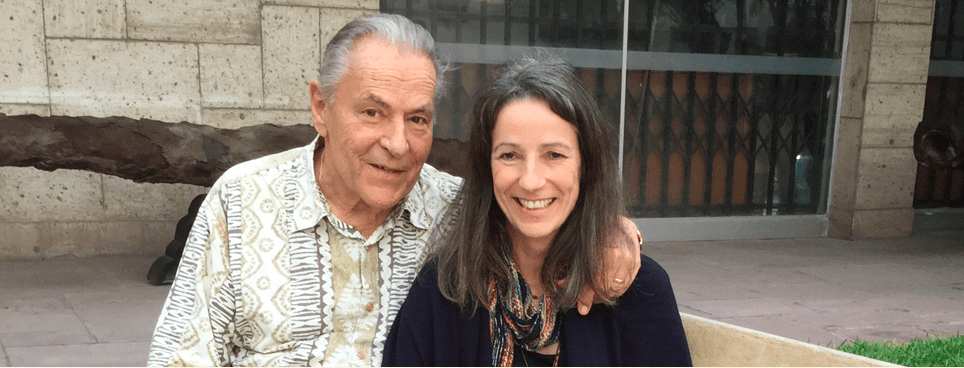
In the Grof world, recognition flows from the Grof organizations themselves and the community of senior facilitators. Clinics and retreat centers that host holotropic weekends look for that lineage. If a Canadian school offers “Holotropic Breathwork Online Certification” with no mention of Grof organizations or in-person modules, press for details. In my experience, such a promise rarely holds up.
Beyond holotropic, several Canadian and international programs secure continuing education recognition from counselling or coaching bodies, or from yoga therapy associations. Some insurers list specific schools they accept for breathwork coverage under complementary health. These recognitions are practical, but they are not blanket guarantees of quality. Always ask to see the exact letter from the association or insurer, not just the logo on a website.
Curriculum that builds real competence
Good curricula look longer than they look flashy. A credible breathwork facilitator training Canada pathway, whether holotropic or adjacent, will include:
- Respiratory physiology beyond basics, including CO2 tolerance, chemoreflexes, and how hyperventilation interacts with pH and vasoconstriction. You should know when to slow or soften breath to avoid tetany, dizziness, or syncope. Trauma literacy, with specific protocols for titration and pendulation, and clear rules for when not to use strong activation. This is the difference between impressive sessions and sustainable ones. Music and set design, not as a playlist gimmick but as a clinical tool. In holotropic contexts, the arc supports emergence and completion, with room for cultural sensitivity in Canada’s diverse client base. Bodywork and touch boundaries. In Grof-style facilitation, bodywork is a core skill and requires supervised practice. In online or non-touch programs, you still learn how to cue self-applied pressure and grounding safely. Ethics, consent, and scope. The line between coaching and therapy, when to refer, documentation, and what to do when someone discloses active self harm ideation. Practicum and supervision that include both being a breather and being a sitter or co-facilitator, with feedback loops and case reviews.
Hours vary. I see solid programs run 150 to 350 hours total, with at least 40 to 80 hours of direct practicum. Holotropic tracks frequently ask for several intensives, each three to six days, plus integration groups and a final evaluation.
Where online shines, and where it does not
In 2020, many schools pivoted to Zoom out of necessity. What surprised even old hands was how effective online breathwork could be for one-to-one sessions. With two cameras and solid pre-session screening, people reported depth and safety from their own rooms. Online training shares those strengths. Theory lands well over video. Integration circles work, sometimes better than in person for introverts. Coaching debriefs with mentors can be intimate and precise.
Online has limits. Group regulation is harder to read on a screen. You cannot safely teach targeted bodywork online to new facilitators without hands-on supervision. Equipment and environment vary wildly. Facilitators need to troubleshoot microphones, fans that cool a vasoconstricted client too quickly, roommates that wander in mid-release. Programs that pretend these are small details have not done much field work.
Cost, time, and the Canada factor
Budget is not a dirty word. In Canada, full holotropic facilitator pathways often run in the range of 6,000 to 12,000 CAD over the full training arc, not counting travel and lodging for intensives. Hybrid or non-holotropic online programs typically range from 2,000 to 6,000 CAD. Expect to pay for supervision hours separately in some schools. Plan for insurance premiums after certification, which for complementary health policies commonly sit between 250 and 700 CAD per year depending on province and coverage limits.
Time is the other currency. A realistic timeline is 12 to 24 months part time for most candidates who work alongside training. If you stack intensives and commit to weekly online seminars, you can move faster. If you juggle a clinic schedule or family, you might spread it over three years. What matters is consistent practice and feedback, not the speed of your certificate.
Geography influences logistics. Western Canada candidates often meet in Vancouver, Calgary, or coastal retreat centers. Central and Atlantic candidates gather in Toronto, Montreal, or smaller centers that host visiting faculty. If you live in the North or in rural areas, you will depend more on online components and occasional travel. I have had candidates share rides across provinces to reduce costs and build peer networks. It works.
How breathwork intersects with psychedelic therapy training in Canada
Many clinicians and facilitators train in both fields. Breathwork is not a psychedelic, but some of the phenomenology overlaps. In practice, breathwork supports three things in psychedelic therapy training Canada pathways: client preparation with somatic literacy, non-ordinary state navigation skills for the facilitator, and post-session integration when clients cannot access medicines due to legal or clinical constraints. Ethical programs keep these domains distinct. They do not promise “psychedelic states without substances” as a marketing hook. They teach state regulation, not novelty chasing.
If you are a regulated mental health professional, check your college’s guidance on breathwork and on non-ordinary state facilitation. Some colleges require explicit consent language and additional supervision. Insurance carriers also have opinions here. Bring breathwork into your practice as an adjunct, not as a replacement for established clinical protocols.
A vignette from the field
Two years ago, a social worker in Saskatchewan reached out. She served a wide catchment area and could not leave for long stretches. She wanted a credible path toward group breathwork for grief support. We mapped a hybrid plan. She completed online theory and weekly supervision circles through the winter. In spring, she flew to British Columbia for a six day holotropic intensive tied to a recognized Grof lineage program. Over the summer she facilitated short, gentle online sessions one-to-one under mentorship. In autumn, she returned for a second in-person module focused on bodywork and sitter skills. Eighteen months in, she held small groups in a community center with an emergency plan, clear screening, and a trusted co-facilitator. Her insurance listed breathwork under complementary modalities, and her clients had continuity. This is what flexible, accredited, and accessible can look like when done with care.
Red flags that deserve attention
Marketing can outpace reality. If you are evaluating programs for breathwork training Canada, watch for sloppy claims. Programs that guarantee “accreditation” without naming the accreditor often rely on consumer confusion. Schools that skip screening protocols in their syllabus are gambling with client safety. Trainers who dismiss contraindications or promise emotional breakthroughs every session are not doing clinical work, they are selling adrenaline.
Equally, beware of programs that shame online practice as second rate. The question is not online or in person. It is: can the school teach you to make either format safe and effective, with a clear sense of when to choose which?
A simple short list for due diligence
- Verify lineage and scope. If it claims holotropic breathwork training, ask how it connects to Grof organizations and which modules are in person. Ask insurers directly. Request the program name on a sample insurance certificate for breathwork coverage in your province. Inspect the practicum. How many supervised sessions, in what formats, with what feedback? Read the safety playbook. Look for written screening protocols, contraindication lists, emergency procedures, and referral pathways. Speak to graduates. Not just testimonials, but candid alumni who are practicing in Canada and can describe their first six months after certification.
Choosing your path without losing your center
If your aim is to facilitate Holotropic Breathwork within the Grof lineage, plan for a hybrid journey. You will study online, you will travel for intensives, and you will finish with a certificate that the community recognizes. If your aim is to integrate conscious connected breathing into coaching, yoga therapy, or trauma-informed group work, you have high quality online options in Canada with live cohorts, thoughtful supervision, and insurance coverage through complementary health channels. The strongest programs do not rush you. They build repetition, mentorship, and reflection into the arc.
Two final points from lived experience. First, never train https://emilioqbdp159.cavandoragh.org/holotropic-breathwork-online-courses-for-certification-in-canada alone. Join a cohort, form a peer triad, and schedule regular case consults even after certification. Breathwork sharpens you, but community steadies you. Second, keep your scope honest. Breathwork can be profound, yet it is not a cure-all. Clients will bring grief, intergenerational trauma, and complex medical histories. Know what you can hold and when to hand off. The respect you give those boundaries becomes the trust your clients place in you.
The promise in Canada right now is real: flexible study that respects your life, accreditation that means something in the circles you care about, and accessibility that reaches clients whether they live in downtown Ottawa or the Yukon. Choose carefully, commit fully, and let your practice be measured by the stability it brings to the people you serve.
Grof Psychedelic Training Academy — Business Info (NAP)
Name: Grof Psychedelic Training AcademyWebsite: https://grofpsychedelictrainingacademy.ca/
Email: [email protected]
Hours:
Monday: 9:00 AM – 5:00 PM
Tuesday: 9:00 AM – 5:00 PM
Wednesday: 9:00 AM – 5:00 PM
Thursday: 9:00 AM – 5:00 PM
Friday: 9:00 AM – 5:00 PM
Saturday: Closed
Sunday: Closed
Service Area: Canada (online training)
Map/listing URL: https://maps.app.goo.gl/UV3EcaoHFD4hCG1w7
Embed iframe:
Socials (canonical https URLs):
Facebook: https://www.facebook.com/people/Grof-Psychedelic-Training-Academy/61559277363574/
Instagram: https://www.instagram.com/grofacademy/
LinkedIn: https://www.linkedin.com/company/grof-psychedelic-training-academy/
https://grofpsychedelictrainingacademy.ca/
Grof Psychedelic Training Academy provides online training for healthcare professionals and dedicated individuals in Canada.
Programs are designed for learners who want education and structured training related to Grof® Legacy Psychedelic Therapy and Grof® Breathwork.
Training is delivered online, with information about courses, cohorts, and certification pathways available on the website.
If you’re exploring certification, you can review program details first and then contact the academy with your background and goals.
Email is the primary contact method listed: [email protected].
Working hours listed are Monday to Friday from 9:00 AM to 5:00 PM (confirm availability for weekends and holidays).
Because services are online, learners can participate from locations across Canada depending on program requirements.
For listing details, use: https://maps.app.goo.gl/UV3EcaoHFD4hCG1w7.
Popular Questions About Grof Psychedelic Training Academy
Who is the training for?The academy describes training for healthcare professionals and dedicated individuals who want structured education and certification-related training in Grof® Legacy Psychedelic Therapy and/or Grof® Breathwork.
Is the training online or in-person?
The academy describes online learning modules, and also notes that some offerings may include in-person retreats or workshops depending on the program.
What certifications are offered?
The academy describes certification pathways in Grof® Legacy Psychedelic Therapy and Grof® Breathwork (program requirements vary).
How long does it take to complete the training?
The academy indicates the duration can vary by program and cohort, and notes an approximate multi-year pathway for some certifications (confirm current timelines directly).
How can I contact Grof Psychedelic Training Academy?
Email: [email protected]
Website: https://grofpsychedelictrainingacademy.ca/
Facebook: https://www.facebook.com/people/Grof-Psychedelic-Training-Academy/61559277363574/
Instagram: https://www.instagram.com/grofacademy/